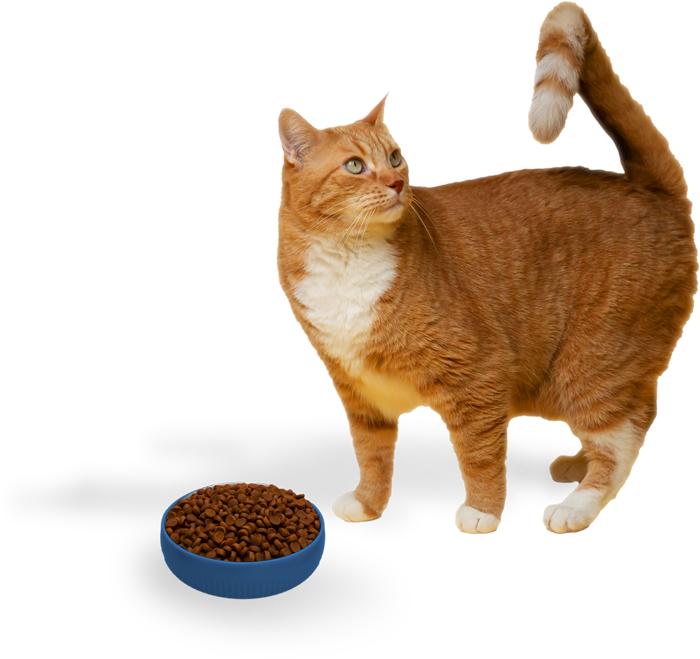
Short answer: the fastest fixes for picky eating are boosting aroma (warm the food slightly), adding a high-palatability topper, keeping a consistent feeding routine, and ruling out stress or dental pain. If a cat skips food for more than 24 hours, call your vet — that's a medical issue, not pickiness.
1. Warm the food
Cats hunt by smell. Ten seconds of gentle warming releases aroma and makes the same food dramatically more interesting.
2. Use a topper strategically
A meaty purée drizzled over the meal is the classic picky-eater unlock. Start with full coverage, then taper to a stripe once the habit sticks.
3. Fix the bowl, not just the food
Whisker fatigue is real — wide, shallow dishes beat deep bowls. Keep the bowl away from the litter box and noisy appliances.
4. Protect the routine
Cats eat on rhythm. Same times, same place, same person where possible. Free-feeding kibble all day is the enemy of mealtime appetite.
5. Transition foods gradually
Any diet switch should take 7–10 days, mixing increasing amounts of the new food into the old — ideally under a topper that masks the change.
6. Respect freshness
Wet food that's sat out for hours is a hard no for most cats. Smaller, fresher portions win.
7. Rule out the medical stuff
Dental pain, nausea, and stress all masquerade as pickiness. Sudden appetite changes, weight loss, or 24+ hours of not eating warrant a vet visit — cats can develop serious liver problems from fasting.
The topper we'd start with
Purrfect Pulse was built for exactly this cat: a lickable, vitamin-packed squeeze packet that makes any bowl irresistible — taste-tested by two famously opinionated cats named Kurt and Gary.